Rhinoplasty in Dubai
Functional, Cosmetic & Reconstructive Nose SurgeryBy Dr. Muhammad Jabbr – Consultant ENT & Head and Neck Surgeon
Rhinoplasty is a surgical procedure that reshapes the nose to improve facial harmony, nasal function, or both. Many patients seeking rhinoplasty in Dubai present with combined cosmetic and functional concerns, such as nasal deformities, breathing difficulties, old fractures, or nostril asymmetry.
A successful rhinoplasty requires more than surface reshaping—it demands accurate diagnosis, deep understanding of nasal anatomy, and precise surgical planning. Dr. Muhammad Jabbr provides ENT-based rhinoplasty, focusing on natural results, stable structure, and long-term breathing improvement.
📍 Medcare Hospital – Al Safa, Dubai
Book Appointment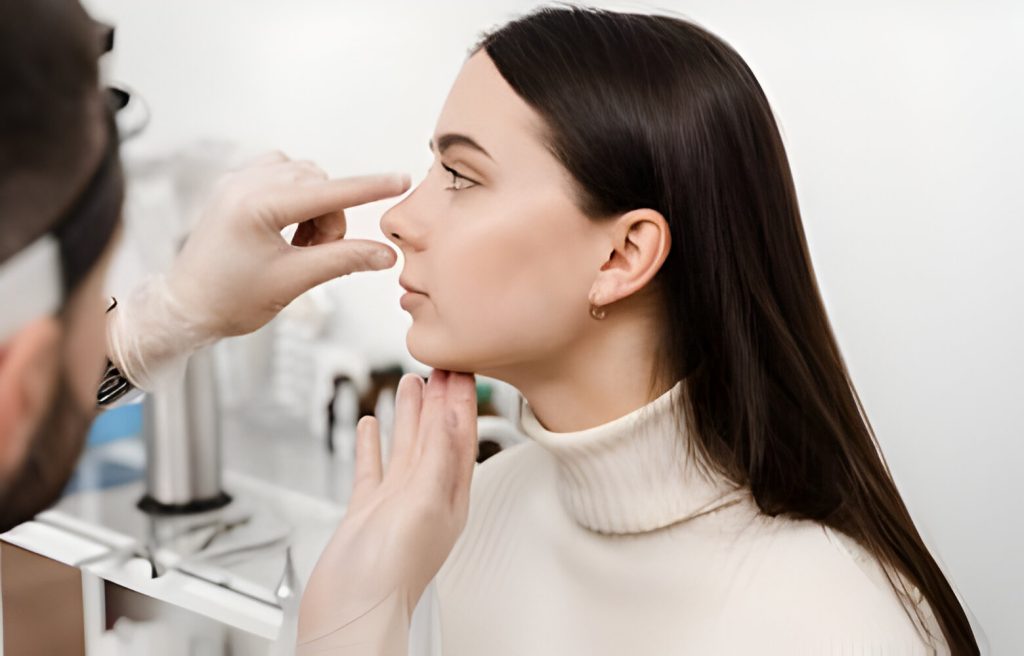
Expert Approach to Rhinoplasty in Dubai
Rhinoplasty is more than cosmetic reshaping—it often involves correcting underlying structural and functional nasal problems that affect breathing, sleep quality, and long-term nasal stability.
Many patients seeking rhinoplasty in Dubai present with one or more of the following:
- Crooked or asymmetrical nose
- Deviated nasal septum
- Nasal hump (dorsal hump)
- Nasal obstruction or breathing difficulty
- Previous nasal injury or fracture
- Unsatisfactory results from prior surgery
A successful rhinoplasty requires precise evaluation of both the external appearance and internal nasal anatomy. In complex cases, correcting the shape of the nose alone is not sufficient—functional correction such as Septoplasty or septorhinoplasty may be required to address airflow and structural support.
Dr. Muhammad Jabbr applies an ENT-based approach to rhinoplasty, focusing on:
- Accurate diagnosis of nasal deformities
- Restoration of nasal airflow and function
- Facial balance and natural-looking outcomes
- Long-term structural stability
Each rhinoplasty plan is fully individualized, based on nasal anatomy, breathing needs, and aesthetic goals.
Conditions Addressed by Rhinoplasty
Rhinoplasty can address a wide range of cosmetic and functional nasal concerns.
Crooked Nose
A crooked nose may result from trauma, genetics, or previous surgery and is often associated with internal septal deviation.
Deviated Septum
A deviated septum can cause chronic nasal blockage, mouth breathing, snoring, sinus infections, and headaches. In such cases, rhinoplasty may be combined with septoplasty to improve both appearance and breathing.
Nasal Hump (Dorsal Hump)
A raised area of bone or cartilage on the nasal bridge can disrupt facial harmony and is one of the most common reasons patients seek rhinoplasty.
Post-Traumatic Nasal Deformities
Nasal fractures or untreated injuries can lead to long-term deformity, nasal collapse, or breathing issues.
Previous Rhinoplasty Complications
Revision cases may involve asymmetry, structural weakness, or persistent nasal obstruction. Correcting these conditions requires advanced ENT expertise, careful surgical planning, and a deep understanding of nasal airflow and support structures.
How Rhinoplasty Corrects Nasal Deformities & Fractures
Rhinoplasty for nasal deformities and fractures involves correcting both the external nasal shape and the internal airway.
1. Functional Rhinoplasty
Functional rhinoplasty improves breathing by correcting:
- Deviated septum
- Internal nasal obstruction
- Nasal valve collapse
- Trauma-related airway narrowing
This approach is essential for patients with chronic nasal blockage, snoring, or sleep-related breathing problems.
2. Cosmetic Rhinoplasty
Cosmetic rhinoplasty refines nasal appearance while preserving natural facial features. Common goals include:
- Straightening a crooked nose
- Reducing a nasal hump
- Refining the nasal tip
- Improving symmetry and facial balance
Careful facial analysis ensures results remain natural and proportionate.
3. Reconstructive Rhinoplasty
Used for complex cases such as:
- Severe nasal fractures
- Congenital deformities
- Failed or revision rhinoplasty
Techniques may include cartilage grafting, structural support reconstruction, and bridge or tip rebuilding.
4. Septorhinoplasty (Functional + Cosmetic)
Septorhinoplasty combines septoplasty and rhinoplasty to correct:
- Deviated septum
- External nasal deformities
- Breathing obstruction
This provides the best long-term results for patients with both functional and aesthetic concerns.
Rhinoplasty for Nostril Asymmetry & Alar Base Concerns
Nostril asymmetry is extremely common and may result from natural anatomical differences, previous nasal injury, deviated septum, weak or uneven cartilage, or prior rhinoplasty.
Alar Base Reduction (Alarplasty)
- Corrects wide or flared nostrils
- Incisions hidden in natural creases
- Can be done alone or with full rhinoplasty
Tip Rhinoplasty
Used when asymmetry is caused by tip deviation or weak cartilage:
- Improves nostril alignment
- Strengthens tip support
- Corrects unilateral collapse
Septoplasty with Rhinoplasty
Corrects septal deviation that pushes one nostril outward, improving airflow, symmetry, and nasal base alignment.
Revision Rhinoplasty
For patients with nostril collapse, uneven healing, scar tissue or cartilage shift. Advanced ENT techniques restore symmetry and structural stability.
Benefits of Rhinoplasty
Functional Benefits
- Easier breathing through both nostrils
- Reduced snoring
- Improved airflow and oxygenation
- Better sleep quality
Aesthetic Benefits
- Straighter, more symmetrical nose
- Restored nasal bridge and shape
- Natural, balanced appearance
Quality-of-Life Improvements
- Increased confidence
- Improved physical performance
- Enhanced social and professional comfort
Rhinoplasty Consultation Process
Rhinoplasty Consultation in Dubai
During your consultation with Dr. Muhammad Jabbr:
- Detailed facial and nasal assessment is performed
- Your aesthetic goals are discussed clearly
- Breathing and nasal structure are evaluated
- Surgical options, recovery, and expectations are explained
- A personalized surgical plan is created
This step ensures clarity, safety, and realistic expectations.
Rhinoplasty Recovery & Aftercare
Rhinoplasty Recovery and Aftercare
Recovery timelines vary depending on individual healing and surgical technique. In general:
- Swelling and bruising gradually improve over weeks
- Nasal shape continues to refine over several months
- Follow-up appointments are essential
- Post-operative instructions are provided individually
Your care plan is tailored to support safe recovery and optimal healing.
When Should You Consult an ENT Specialist?
Consult an Nose & Sinus Care specialist if you experience:
- Difficulty breathing through one or both nostrils
- Chronic nasal congestion or sinus infections
- Snoring or sleep apnea symptoms
- Crooked or injured nose
- Low confidence related to nose shape
- Persistent symptoms after trauma or previous surgery
Accurate ENT evaluation ensures safe planning and optimal outcomes.
Why ENT-Based Rhinoplasty Matters
Complex nasal deformities require more than surface reshaping. An ENT-based rhinoplasty approach focuses on both form and function, ensuring that aesthetic improvement does not compromise breathing or long-term nasal stability.
By addressing internal nasal structures alongside cosmetic refinement, rhinoplasty can deliver:
- Improved facial balance
- Better nasal airflow
- Enhanced comfort during sleep and exercise
- Durable, natural-looking results
A consultation allows proper assessment and personalized planning for safe and effective outcomes.
Why Choose Dr. Muhammad Jabbr for Rhinoplasty in Dubai
- Consultant ENT & Head and Neck Surgeon
- Expertise in functional, cosmetic & reconstructive rhinoplasty
- ENT-based approach focusing on airflow and stability
- Personalized surgical planning
- Hospital-based care at Medcare Hospital Al Safa
Book a Rhinoplasty Consultation in Dubai
A consultation allows detailed assessment of nasal anatomy, breathing, and aesthetic goals. Rhinoplasty is not a one-size-fits-all procedure. ENT-based diagnosis, precise planning, and advanced surgical techniques are essential to achieve safe, natural, and long-lasting results.
📍 Medcare Hospital – Al Safa, Dubai
Book Appointment