
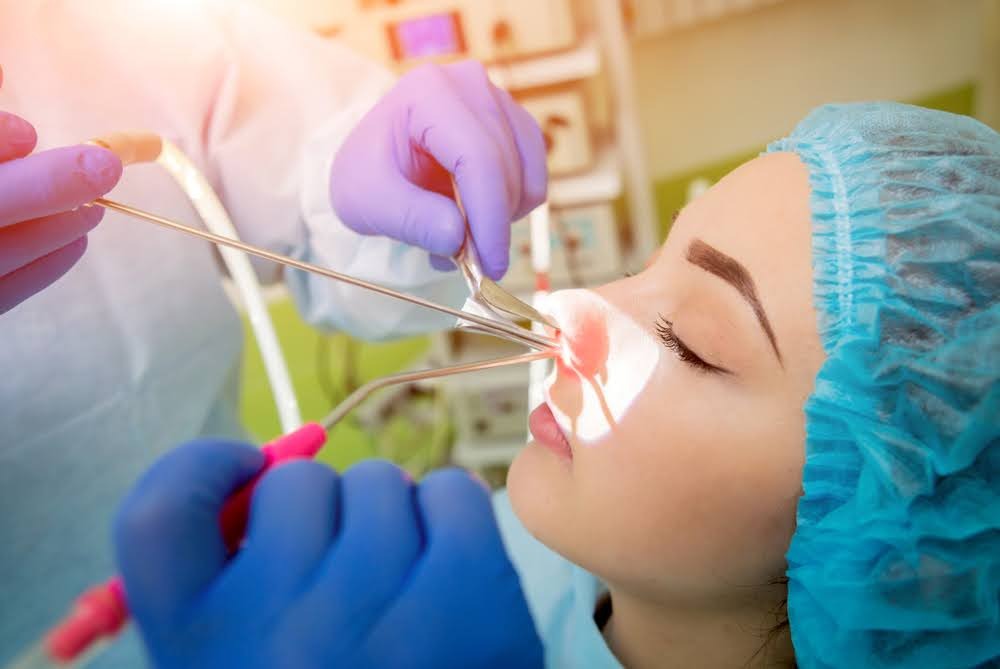
The Role of Sinus Surgery in Treating Nasal Polyps
Nasal polyps are soft, non-cancerous growths that develop inside the nasal passages or sinuses due to chronic inflammation. While small polyps may not cause noticeable symptoms, larger or multiple polyps can block airflow, leading to persistent nasal congestion, sinus infections, and difficulty breathing.
When medications fail to provide long-term relief, sinus surgery becomes an important option to restore normal nasal function and improve quality of life.
What Are Nasal Polyps?
Nasal polyps often occur in individuals with:
- Chronic sinusitis
- Asthma
- Allergic rhinitis
- Aspirin sensitivity
- Recurrent sinus infections
These growths develop due to prolonged inflammation in the lining of the nasal passages and sinuses and can vary in size.
Symptoms of Nasal Polyps
Common signs include:
- Persistent nasal blockage or congestion
- Reduced or complete loss of smell
- Postnasal drip
- Facial pressure or discomfort
- Frequent sinus infections
- Snoring or sleep disturbances
Large polyps can significantly impact breathing and overall comfort if left untreated.
When Is Surgery Recommended?
Surgery is usually considered when:
- Medications fail to control symptoms
- Nasal polyps are large or numerous
- Breathing is severely obstructed
- Recurrent sinus infections occur
- Sleep or daily activities are affected
While medical management is always the first step, surgery provides long-term relief when conservative treatments are not enough.
How Sinus Surgery Helps
The most common procedure is Functional Endoscopic Sinus Surgery (FESS).
Goals of Surgery:
- Remove nasal polyps
- Open blocked sinus passages
- Restore proper drainage
- Improve airflow
- Enhance the effectiveness of medications
The procedure uses a thin endoscope inserted through the nostrils, meaning there are no external cuts, and recovery is usually smooth.
Benefits of Sinus Surgery
Patients who undergo surgery often experience:
- Improved nasal breathing
- Reduced sinus pressure and facial discomfort
- Better sense of smell
- Fewer sinus infections
- Enhanced sleep quality
- Increased effectiveness of allergy medications
Surgery does not cure the underlying inflammation, but it allows ongoing medical therapy to work more effectively.
Recovery After Surgery
Most patients experience:
- Mild nasal congestion and swelling for a few days
- Gradual improvement in breathing
- Quick return to daily activities
Follow-up visits are essential to monitor healing and prevent recurrence. Continued use of prescribed nasal sprays or medications may be recommended.
Can Nasal Polyps Come Back?
Yes, recurrence is possible, especially in individuals with chronic inflammation, allergies, or asthma. However, proper post-surgery care and medical management significantly reduce the risk and maintain long-term results.
Expert Care with Dr. Muhammad Jabbr
At ENT Care, Dr. Muhammad Jabbr provides personalized care for patients with nasal polyps. Using advanced techniques, he ensures effective removal while preserving normal sinus function.
Conclusion
Sinus surgery plays a vital role in treating nasal polyps when medications alone are not enough. By removing blockages and restoring sinus drainage, the procedure significantly improves breathing, comfort, and quality of life.
If persistent nasal congestion, facial pressure, or loss of smell is affecting your daily routine, consulting an experienced ENT specialist like Dr. Muhammad Jabbr at ENT Care can help determine whether advanced sinus treatment in Dubai is the right solution for you.
📍 Location: Medcare Hospital Al Safa – Dubai
🌐 Website: Entcare.ae
📞 Appointments: Available via hospital booking system