Septoplasty for Teenagers: What Parents Should Know
Breathing problems in teenagers are often ignored as “just allergies” or “a blocked nose.” However, in some cases, the real cause may be a deviated nasal septum. When symptoms become persistent and affect daily life, Septoplasty may be recommended.
If you are a parent considering this procedure for your teen, here’s what you need to know.
What Is Septoplasty?
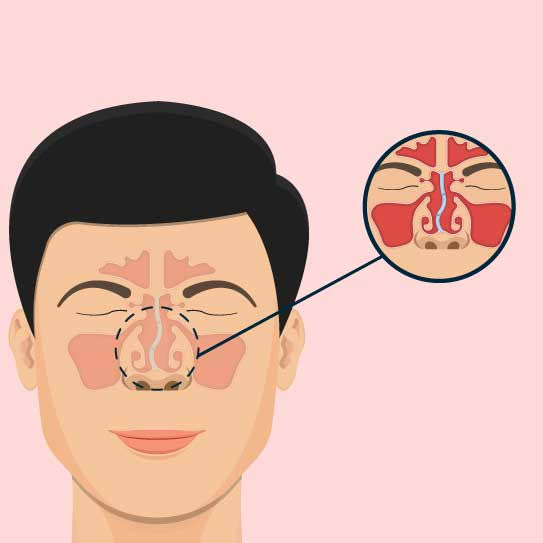
Septoplasty is a surgical procedure that corrects a deviated septum — the wall of cartilage and bone that divides the two nasal passages. When this wall is crooked or displaced, it can:
- Block airflow
- Cause frequent sinus infections
- Lead to mouth breathing
- Trigger snoring or sleep disturbances
- Cause recurring nosebleeds
The goal of septoplasty is to straighten the septum and improve breathing.
Can Teenagers Undergo Septoplasty?
Yes — but timing matters.
Doctors usually recommend waiting until:
- Nasal growth is nearly complete
- Girls: Around 14–15 years
- Boys: Around 15–17 years
In severe cases (such as trauma, major obstruction, or sleep-related breathing issues), surgery may be performed earlier under specialist supervision.
Signs Your Teen Might Need Septoplasty
Parents should watch for:
- Constant nasal blockage (especially on one side)
- Chronic sinus infections
- Difficulty breathing during sports
- Loud snoring or mouth breathing at night
- Frequent headaches linked to sinus pressure
- Recurrent nosebleeds
If these symptoms persist despite medication, further evaluation may be necessary.
Is Septoplasty Safe for Teenagers?
When performed by an experienced ENT specialist, septoplasty is generally:
- Safe
- Minimally invasive
- Performed under general anesthesia
- Completed in about 60–90 minutes
Most teens go home the same day.
Complications are rare but may include:
- Mild bleeding
- Temporary swelling
- Infection (uncommon)
What Is Recovery Like?
Recovery in teenagers is typically smooth.
First Week:
- Mild congestion
- Swelling inside the nose
- Avoid sports and heavy activity
After 2–3 Weeks:
- Breathing improves
- Swelling significantly reduces
Full internal healing: Around 1–3 months.
Parents should ensure:
- No nose blowing in early recovery
- Follow-up appointments are attended
- Medications are taken as prescribed
Will It Change My Teen’s Nose Shape?
Septoplasty focuses on internal correction and does not change the external shape of the nose.
If cosmetic correction is also required, it may be combined with Rhinoplasty, but this is a separate consideration and requires careful discussion.
Benefits of Septoplasty for Teens
- Improved breathing
- Better sleep quality
- Reduced sinus infections
- Improved sports performance
- Better concentration due to proper oxygen flow
For active teenagers, proper breathing can significantly improve daily comfort and confidence.
When Should Parents Consider Consultation?
If your teen:
- Constantly complains of nasal blockage
- Has breathing difficulty affecting sleep or school
- Doesn’t respond to allergy or sinus medications
An ENT evaluation is recommended.
Early assessment helps determine whether medical management is enough or if surgery is the right option.
Conclusion
Septoplasty for teenagers is not about cosmetic change — it’s about restoring healthy breathing and improving overall quality of life.
If symptoms are affecting your teen’s sleep, academics, or physical activities, timely medical advice can make a meaningful difference.
With over 20 years of experience, Dr. Muhammad Jabbr provides specialized pediatric ENT care for teenagers dealing with nasal obstruction and breathing concerns. Parents searching for the best ENT specialist for teens in Dubai can consult him at his ENT care clinic at Medcare Hospital for expert evaluation and personalized treatment.