
 By
Your scan or blood test points to the thyroid, and someone has mentioned an operation. Now you want to know who should do it. Choosing a thyroid surgeon in Dubai is a big decision, and it helps to know what to look for before you book.
This guide explains why thyroid surgery is sometimes advised, why many people choose a head and neck surgeon for it, and how a careful surgeon protects the small nerves and glands next to the thyroid.
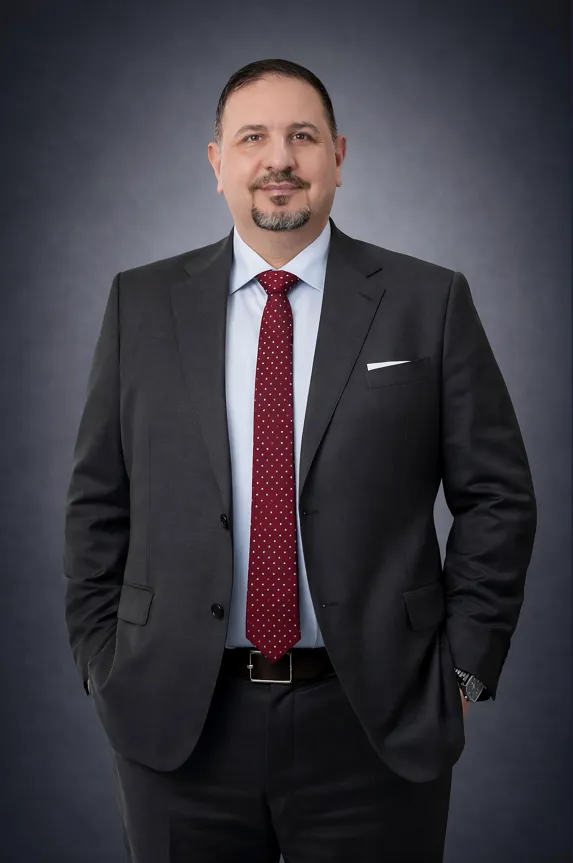
Dr. Muhammad Jabbr is a Consultant ENT and Head & Neck Surgeon who sees thyroid patients at Medcare Hospital Al Safa. He is one of the best thyroid surgeons in Dubai to see if you want every option explained clearly before any decision is made.
Why might a doctor advise thyroid surgery?
Your thyroid sits low at the front of your neck, just below the voice box. Its hormones help set how fast your body uses energy. Most thyroid problems are treated with tablets or simply watched over time. Surgery is only suggested when it is likely to help more than other choices. Common reasons include:
- A large goitre. A goitre is an enlarged thyroid. If it keeps growing, looks very noticeable or grows down behind the breastbone, removing part or all of the gland may be advised.
- Pressure symptoms. A big thyroid can press on the windpipe or food pipe. You may feel a tight neck, find it hard to swallow tablets, notice noisy breathing or feel short of breath when lying flat.
- A suspicious or cancerous nodule. If tests on a lump show cancer, or cannot rule it out, surgery may be advised to treat it or to give a firm answer. For some very small, low-risk cancers, close monitoring may be an option instead.
- Graves disease. This autoimmune condition makes the thyroid overactive. Surgery may be an option if medicines do not control it or cause side effects, if the goitre is large, if there is significant eye disease, or if you want a definite treatment and accept lifelong thyroid hormone tablets.
- An overactive nodule. Sometimes one or more nodules make too much hormone on their own. Radioactive iodine is one option. Removing the affected side is another, and it can settle the hormone levels.
Not everyone with these problems needs an operation. A good surgeon will tell you honestly when watching, tablets or other treatments are a reasonable choice. You can read more about the operations themselves on our thyroid surgery page.
Why choose a head and neck specialist as your thyroid surgeon in Dubai?
The thyroid sits in a crowded space. The nerves that move your vocal cords run close behind it. Usually four tiny glands that control your calcium levels lie on its back surface. The windpipe, food pipe and large blood vessels are close by.
Surgeons from more than one specialty operate on the thyroid. A head and neck surgeon trains for years to work in exactly this area. As ENT specialists, they also know the voice box well and can check your vocal cords with a small camera.
Head and neck surgeons also look after the lymph nodes in the neck. This matters if a thyroid cancer has spread to nearby nodes, because the same surgeon can plan and carry out the whole operation. To learn more about this wider field, see our pages on head and neck surgery and head and neck cancer surgery.
How does a surgeon protect your voice and calcium glands?
These are the two most common worries. Here is how a careful surgeon lowers each risk.
Looking after the voice nerves
Each side of the thyroid has a nerve called the recurrent laryngeal nerve. It moves the vocal cord on that side. A second, smaller nerve helps you reach high notes. An experienced surgeon finds the main nerve, keeps it in view and works gently around both nerves.
Many surgeons also use nerve monitoring. Sensors on the breathing tube and a small probe help the surgeon find the nerve and check it is working. It is a useful aid, but it does not replace careful technique. Your vocal cords are often checked with a camera before surgery, so there is a clear record of how they moved beforehand.
A slightly hoarse or tired voice for a short time is common. Lasting nerve damage is uncommon in experienced hands, but no surgeon can promise it will never happen. You should be told about this risk openly.
Looking after the parathyroid glands
Most people have four parathyroid glands, each about the size of a grain of rice. They keep the calcium in your blood at the right level. The surgeon tries to find each one and keep its blood supply safe.
If a gland cannot be saved in place, it can sometimes be moved into a nearby neck muscle, where it may start working again. Low calcium is mainly a risk when the whole thyroid is removed. If it happens, it is usually short-lived and treated with tablets.
What should you look for in a thyroid surgeon?
Look for a surgeon who:
- Has specialist training in head and neck surgery, with recognised qualifications.
- Performs thyroid and neck operations regularly, not only now and then.
- Explains why surgery is advised for you, and what would happen if you waited.
- Talks openly about risks to your voice and calcium, without brushing them aside.
- Works in a hospital with good support, such as anaesthesia and laboratory tests.
Questions to ask your thyroid surgeon
Write these down and bring them along. It is easy to forget things when you feel anxious.
- Why do you think I need surgery, and what are my other options?
- Do you plan to remove one lobe or the whole gland, and what decides that?
- How often do you perform this operation?
- How will you protect my voice nerves and parathyroid glands?
- How likely is it that I will need thyroid hormone replacement?
- Where will the scar be, and how long will it be?
- Who do I contact if I have a problem after I go home?
Dr. Muhammad Jabbr, thyroid and head and neck surgeon
Dr. Jabbr works in the ENT Department at Medcare Hospital, Al Safa, on Hadiqa Street in Al Safa 1, Dubai. He brings more than 20 years of experience and over 3,000 ENT procedures to your care.
His qualifications are MD, MS, DOHNS (England), the European Board in ORL-HNS and the Arab Board in ORL-HNS. You can view them on his certificates page. He treats both adults and children.
At your visit, your symptoms, scans and blood tests are reviewed together before surgery is discussed. You can read more about Dr. Jabbr here.
When should you get help quickly?
Most thyroid problems grow slowly. Still, some signs should not wait. Go to an emergency department straight away if you have:
- Difficulty breathing, or noisy breathing that is new or getting worse
- A neck swelling that grows quickly over days
- Trouble swallowing even liquids or your own saliva
Book a prompt specialist check if you have a hoarse voice for more than three weeks, or a neck lump in an adult that lasts longer than three weeks. Our neck lump specialist page explains what to expect.
Book an appointment
If you have a goitre, a thyroid lump or Graves disease and want an expert opinion, you can see Dr. Muhammad Jabbr at Medcare Hospital Al Safa. Bring any scans, blood test results and reports you already have.
Book online with Dr. Muhammad Jabbr or call +971 52 751 7811.
Frequently Asked Questions
Is thyroid surgery done by an ENT doctor?
Yes, often. ENT surgeons with head and neck training operate on the thyroid regularly. Their detailed knowledge of the voice box helps when protecting the nerves to your vocal cords.
Do I need surgery if I have Graves disease?
Not always. Most people start with antithyroid tablets, and radioactive iodine is another option. If surgery is chosen, your hormone levels are usually brought under control with medicine first. This makes the operation safer.
Can a goitre grow back after surgery?
If only part of the thyroid is removed, the part left behind can sometimes grow over the years. If the whole gland is removed, this is very unlikely. Your surgeon may suggest follow-up checks.
Is it okay to get a second opinion before thyroid surgery?
Yes. Thyroid surgery is rarely an emergency, so you usually have time to think. A second opinion can help you feel sure. A good surgeon will not mind.
Should I see an endocrinologist or a surgeon for my thyroid?
Often both. An endocrinologist looks after your thyroid hormones and medicines. A head and neck surgeon decides if an operation would help and carries it out. The two often work together on the same plan.
Does Dr. Muhammad Jabbr see children with thyroid problems?
Yes, he treats both adults and children. Thyroid lumps are less common in children, but when one appears it needs careful checks. A lasting neck swelling in a child should be seen by a specialist.
Final thoughts
The right surgeon explains why surgery is advised, what your other choices are and how your voice and calcium glands will be protected. Take your questions with you and do not feel rushed. If you would like a clear, honest opinion from an experienced head and neck surgeon, you can book a visit with Dr. Muhammad Jabbr at Medcare Hospital Al Safa.