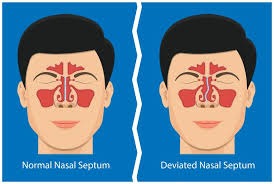
Sports and a Deviated Septum: When Surgery Becomes Necessary
Breathing plays a crucial role in athletic performance. Whether you’re a professional athlete, a gym enthusiast, or someone who enjoys weekend sports, efficient airflow through the nose directly impacts stamina, endurance, and recovery. One often-overlooked condition that can interfere with breathing—especially during physical activity—is a deviated septum.
Many people live with a deviated septum without realizing it. However, for individuals involved in sports, the condition can become more noticeable and, in some cases, disabling. Understanding when it shifts from a manageable issue to one that requires surgery is key.
What Is a Deviated Septum?
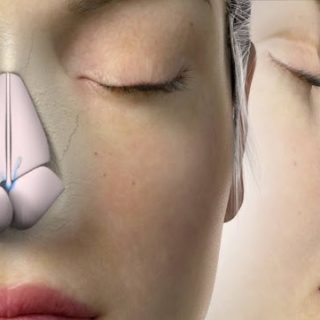
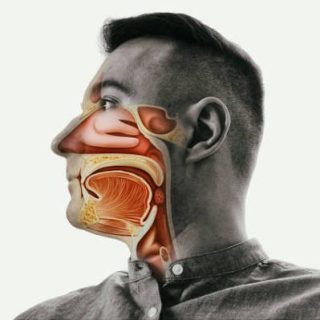
The nasal septum is the thin wall of cartilage and bone that divides the nose into two nostrils. Ideally, it should sit in the center. When it’s significantly off to one side, it’s known as a deviated septum.
This deviation can be:
- Congenital (present from birth)
- Trauma-related, often from sports injuries, accidents, or falls
While mild deviation may not cause symptoms, moderate to severe cases can restrict airflow through one or both nostrils.
Why Sports Make Symptoms Worse
During exercise, the body’s oxygen demand increases. Athletes rely heavily on nasal breathing to regulate airflow, humidify air, and maintain endurance. A deviated septum can interfere with this process in several ways:
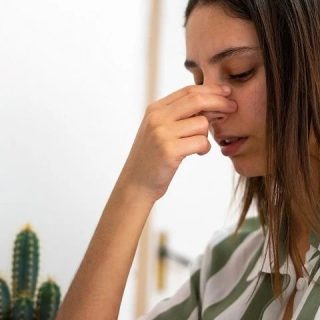
- Difficulty breathing through the nose, especially during high-intensity workouts
- Early fatigue due to reduced oxygen intake
- Mouth breathing, which can cause dry mouth, throat irritation, and poor breathing efficiency
- Frequent sinus infections, triggered by poor nasal drainage
- Post-exercise headaches or facial pressure
Contact sports like football, boxing, martial arts, rugby, and basketball also increase the risk of nasal trauma, which can worsen an existing deviation over time.
Signs That a Deviated Septum Is Affecting Your Performance
Athletes often push through discomfort, assuming it’s part of training. However, these signs suggest the problem may need medical attention:
- Persistent nasal blockage on one side
- Trouble breathing during cardio or endurance training
- Snoring or disturbed sleep affecting recovery
- Recurrent sinus congestion or infections
- Reduced stamina despite good fitness levels
- History of nasal injury with ongoing breathing issues
If these symptoms interfere with training consistency or performance, it’s time to look beyond temporary solutions.
Can Non-Surgical Treatment Help?
For mild cases, non-surgical treatments may provide temporary relief, such as:
- Nasal sprays
- Decongestants
- Allergy management
- Breathing strips
However, these options do not correct the structural problem. For athletes with significant deviation, symptoms often return during intense physical activity, making long-term management difficult.
When Does Surgery Become Necessary?
Surgery becomes necessary when:
- Nasal obstruction affects breathing during exercise
- Performance and endurance are consistently compromised
- Sleep quality and recovery are poor
- Recurrent sinus infections persist
- Symptoms do not improve with medical treatment
The surgical procedure used to correct a deviated septum is called septoplasty. In athletes who also have external nasal deformity or trauma-related changes, a combined procedure known as septorhinoplasty may be recommended.
How Septoplasty Helps Athletes
Septoplasty straightens the nasal septum, restoring proper airflow. For athletes, the benefits are often significant:
- Improved nasal breathing during workouts
- Better oxygen intake and endurance
- Reduced reliance on mouth breathing
- Fewer sinus infections and congestion episodes
- Improved sleep quality and recovery
- Enhanced overall athletic performance
Many athletes report noticeable improvement in breathing within weeks after surgery, with continued benefits as healing progresses.
Recovery and Return to Sports
Recovery timelines vary, but most athletes can:
- Resume light activity within 2–3 weeks
- Return to non-contact sports within 4–6 weeks
- Resume contact sports after 6–8 weeks, depending on healing and surgeon advice
Protective measures and gradual return to training are essential to prevent re-injury.
The Importance of ENT Evaluation
Not every athlete with breathing difficulty needs surgery. A proper ENT evaluation is crucial to assess:
- Degree of septal deviation
- Nasal valve function
- Turbinate size
- History of trauma
- Overall nasal airflow
Based on this assessment, a personalized treatment plan is created—balancing performance goals with long-term nasal health.
Conclusion
For athletes and active individuals, proper breathing is essential for peak performance, endurance, and faster recovery. A deviated septum that feels minor in daily life can significantly affect sports performance, sleep quality, and overall well-being. When symptoms persist despite medical treatment, surgical correction may offer the most effective long-term solution.
If you experience ongoing breathing difficulties, frequent sinus infections, or reduced stamina—especially following a nasal injury—consulting an experienced ENT doctor in Dubai, such as Dr. Muhammad Jabbr, can help identify the root cause. He can determine whether septoplasty or septorhinoplasty is the right option for you.
Early evaluation and expert care can restore proper airflow, enhance athletic performance, and help you breathe comfortably both on and off the field.
Visit Dr. Muhammad Jabbr’s ENT Care Clinic at Medcare Hospital, Dubai, for a comprehensive assessment and personalized treatment plan.
Early evaluation and proper treatment can help athletes breathe better, perform stronger, and recover faster—both on and off the field.
📍 Location: Medcare Hospital Al Safa – Dubai
🌐 Website: Entcare.ae
📞 Appointments: Available via hospital booking system