
How Enlarged Turbinates Affect Your Sleep Quality
Getting a restful night’s sleep is essential for overall health, but many people struggle due to nasal obstruction caused by enlarged turbinates. If you live in Dubai and often wake up tired, snore at night, or have trouble breathing through your nose, Dr. Muhammad Jabbr, an experienced ENT specialist, can help. Understanding how turbinate enlargement affects sleep is the first step toward finding relief and improving your overall quality of life.
How Turbinates Affect Sleep
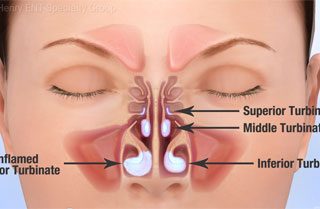
The nasal turbinates—including inferior, middle, and superior turbinates—play a vital role in regulating airflow, warming and humidifying air, and filtering particles before they reach the lungs. When these turbinates become enlarged (hypertrophied turbinates), they can significantly impact sleep quality.
Key effects on sleep include:
- Airflow Obstruction: Enlarged turbinates narrow nasal passages, forcing mouth breathing.
- Snoring: Blocked nasal passages increase airway resistance, leading to loud snoring.
- Sleep Apnea: Severe obstruction can contribute to obstructive sleep apnea (OSA), where breathing temporarily stops during sleep.
- Fragmented Sleep: Difficulty breathing may cause frequent awakenings, preventing deep, restorative sleep.
- Reduced Oxygen Intake: Limited airflow reduces oxygen efficiency, potentially affecting overall health and alertness.
- Disrupted Sleep Cycles: Proper airflow supports transitions between sleep stages; obstruction can cause lighter, less restorative sleep.
- Daytime Effects: Poor sleep can lead to fatigue, difficulty concentrating, irritability, and weakened immunity.
All three turbinates—inferior, middle, and superior—work together to maintain nasal function. When any or all are enlarged, evaluation and treatment by an ENT specialist is essential.
Treatment Options for Enlarged Turbinates
At ENT Care Clinic in Dubai, our ENT specialist provides personalized treatment based on your symptoms and previous therapy responses. Treatment options include:
1. Medical Management
For mild cases, nasal sprays and medications can help reduce inflammation and relieve congestion.
2. Turbinate Reduction Procedure
A minimally invasive procedure that gently shrinks the turbinates to improve airflow and nasal breathing.
3. Turbinate Reduction with Septoplasty
If you have a deviated septum, this procedure combines septum correction with turbinate reduction to optimize nasal airflow and breathing.
4. Turbinate Reduction with Sinus Surgery (FESS)
For patients with chronic sinus issues, turbinate reduction can be combined with Functional Endoscopic Sinus Surgery (FESS) to restore normal nasal and sinus function.
All procedures are performed using modern ENT techniques designed to minimize tissue trauma, preserve nasal function, and ensure faster recovery.
Lifestyle Tips to Improve Sleep
Along with treatment, these lifestyle measures can support nasal health and better sleep:
- Maintain nasal hygiene with saline sprays
- Avoid allergens like dust and smoke
- Optimize sleep position to reduce congestion
- Keep your bedroom humidified
Manage stress and maintain a healthy weight
FAQs
Yes, difficulty breathing at night can lead to frequent awakenings and trouble falling asleep.
The inferior turbinates play the largest role in nasal airflow. Middle and superior turbinates mainly affect sinus drainage and mild congestion.
Yes, chronic obstruction can increase snoring intensity and may contribute to sleep apnea.
Yes—side sleeping, saline sprays, humidified rooms, and avoiding allergens before bedtime can help.
Medical management may show results within days, while minimally invasive procedures or surgery usually improve sleep within a few weeks.
Yes, children may experience snoring, mouth breathing, and restless sleep, affecting growth, attention, and energy levels.
Why Choose Our ENT Clinic in Dubai
At ENT Care, our experienced ENT specialist, Dr. Muhammad Jabbr, evaluates each patient individually using advanced diagnostics to recommend the most effective treatment plan. Our goal is to help you breathe better, sleep better, and improve your overall quality of life.
Why patients trust us:
- Consultant ENT & Head and Neck Surgeon
- Extensive experience in nasal airway and turbinate surgery
- Advanced minimally invasive ENT techniques
- Focus on preserving natural nasal function
- Practicing at Medcare Hospital – Dubai
- High patient satisfaction and excellent clinical outcomes
Dr. Muhammad Jabbr is trusted by local and international patients seeking effective nasal blockage and turbinate treatment.
Conclusion
Enlarged turbinates can greatly affect sleep quality and overall health, leading to nasal congestion, snoring, and restless nights. If you are experiencing these symptoms, it’s important to consult an ENT specialist in Dubai. At ENT Care, Dr. Muhammad Jabbr offers expert evaluation and turbinate reduction treatment in Dubai, tailored to each patient’s needs. Whether through medications, minimally invasive procedures, or surgery, proper treatment can restore healthy nasal airflow, improve sleep, and enhance daily life. Book your consultation at ENT Care today and take the first step toward better breathing and restful nights.