
How Turbinate Hypertrophy Impacts Allergies and Breathing
Many people in Dubai experience persistent nasal congestion, frequent allergy flare-ups, or difficulty breathing through the nose. While these issues are often attributed to seasonal allergies or colds, one common yet frequently overlooked cause is turbinate hypertrophy. This condition occurs when the nasal turbinates, small structures inside the nose, become enlarged or swollen, leading to airflow obstruction and worsening allergy symptoms.
What Are Nasal Turbinates?
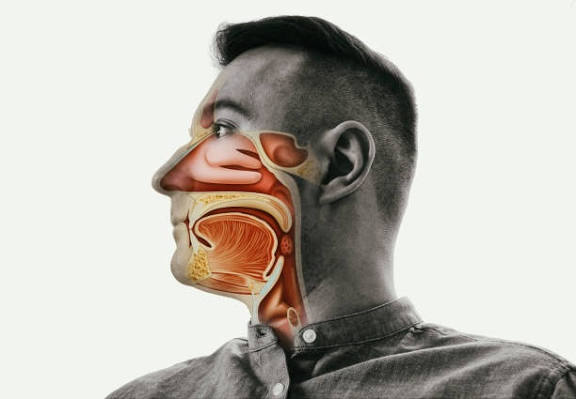
Nasal turbinates are curved bones covered with soft tissue located inside the nasal cavity. They play a crucial role in filtering, humidifying, and warming the air we breathe, ensuring it reaches the lungs in optimal condition. When turbinates become enlarged due to inflammation or chronic irritation, they can block airflow, making it difficult to breathe comfortably and intensifying allergy symptoms.
Causes of Turbinate Hypertrophy
Several factors can contribute to turbinate enlargement:
- Chronic Allergies: Regular exposure to pollen, dust, mold, or pet dander can trigger inflammation in the turbinates.
- Environmental Irritants: Air pollution, smoke, or strong odors may aggravate the nasal passages, worsening swelling.
- Structural Issues: A deviated septum can alter airflow patterns, making turbinates more likely to enlarge over time.
- Recurrent Infections: Sinus infections or frequent colds can cause temporary or persistent swelling of the turbinates.
How Turbinate Hypertrophy Worsens Allergies
Enlarged turbinates can make allergy symptoms more pronounced:
- Traps Allergens: Swollen turbinates hold pollen, dust, and other allergens in the nasal passages, increasing sneezing, itching, and congestion.
- Heightened Sensitivity: The additional nerve endings in enlarged turbinates make the nose more reactive to irritants.
- Chronic Inflammation: Persistent swelling leads to recurring allergy flare-ups and discomfort, impacting daily life and sleep quality.
How It Affects Breathing
Turbinate hypertrophy can significantly interfere with normal breathing:
- Nasal Obstruction: Blocked airflow often forces mouth breathing, which can dry out the throat and reduce oxygen efficiency.
- Sleep Issues: Difficulty breathing through the nose can worsen snoring, sleep apnea, or restless sleep.
- Sinus Problems: Impaired airflow and poor drainage can increase the risk of sinus infections and related complications.
Treatment Options at ENTCare Dubai
Dr. Muhammad Jabbr offers comprehensive treatment for turbinate hypertrophy at ENTCare Dubai, located in Medcare Hospital.
Medical Management:
- Nasal steroid sprays to reduce inflammation and swelling
- Antihistamines for allergy symptom relief
- Saline rinses to maintain clean and moist nasal passages
Surgical Solutions:
- Turbinate reduction or turbinoplasty to remove excess tissue while preserving nasal function
- Often combined with septoplasty if a deviated septum is present
Conclusion
If you experience chronic nasal congestion, allergy flare-ups, or difficulty breathing, turbinate hypertrophy may be the underlying cause. Early diagnosis and treatment with Dr. Muhammad Jabbr at ENTCare Dubai can restore proper airflow, reduce allergy symptoms, and improve overall quality of life. If symptoms persist, consider turbinate reduction treatment in Dubai to effectively manage swollen turbinates and breathe comfortably again. Don’t let enlarged turbinates impact your daily life—seek professional care and enjoy clearer, healthier breathing every day.