Turbinate Reduction in Adults vs. Children: Key Differences
Chronic nasal congestion can significantly affect quality of life in both adults and children. When medications fail to provide long-term relief, turbinate reduction may be recommended. While the goal of the procedure is the same in all age groups—improving airflow through the nose—there are important differences between how turbinate reduction is approached in adults versus children.
Understanding these differences helps patients and parents make informed decisions about treatment.
What Is Turbinate Reduction?
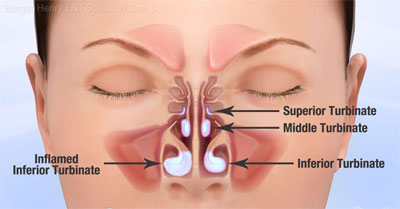
Turbinates are small structures inside the nose that warm, humidify, and filter the air we breathe. Sometimes, due to allergies, chronic sinus infections, or structural issues, they become enlarged (turbinate hypertrophy), leading to:
- Persistent nasal blockage
- Difficulty breathing through the nose
- Snoring
- Mouth breathing
- Sleep disturbances
Turbinate reduction is a procedure designed to shrink these enlarged tissues while preserving their normal function.
Common Causes in Adults vs. Children
In Adults
In adults, enlarged turbinates are often caused by:
- Chronic allergies
- Long-standing sinusitis
- Deviated nasal septum
- Environmental irritants
Adults may also experience symptoms worsening over time due to prolonged inflammation.
In Children
In children, turbinate enlargement is commonly linked to:
- Allergic rhinitis
- Frequent upper respiratory infections
- Enlarged adenoids
- Genetic factors
In many pediatric cases, adenoid enlargement plays a significant role and may need to be addressed alongside turbinate treatment.
Differences in Treatment Approach
1. Conservative Treatment First
Children: Doctors are usually more cautious with pediatric patients. Medical management—such as nasal sprays, antihistamines, and allergy control—is prioritized before considering surgery.
Adults: Adults may proceed to surgical options sooner if symptoms are persistent and significantly affecting daily life or sleep quality.
2. Surgical Techniques
Modern turbinate reduction techniques include:
- Radiofrequency reduction
- Coblation
- Microdebrider-assisted reduction
- Partial turbinate trimming
In Adults: The procedure is often performed under local or general anesthesia depending on complexity and patient comfort.
In Children: General anesthesia is typically preferred for safety and comfort. Surgeons use more conservative tissue reduction techniques to preserve nasal growth and development.
3. Consideration of Growth and Development
One of the biggest differences is that children are still growing.
- Pediatric ENT specialists carefully avoid aggressive tissue removal.
- The goal is to improve breathing without affecting nasal structure development.
- In adults, structural growth is complete, so the surgical plan can be more definitive.
4. Recovery and Healing
Adults:
- Mild swelling and congestion for a few days
- Faster return to routine activities
Children:
- May require closer monitoring
- Parents must ensure proper aftercare
- Follow-up visits are especially important
Children generally heal well but need supervision to avoid nose rubbing or trauma during recovery.
Risks and Safety Considerations
Turbinate reduction is generally safe in both adults and children. However:
- Over-reduction can cause excessive dryness (rare with modern techniques).
- Pediatric procedures require careful expertise to protect nasal growth.
- Allergy management must continue even after surgery to prevent recurrence.
Choosing an experienced ENT specialist is essential to ensure optimal outcomes.
When Is Turbinate Reduction Recommended?
Doctors may recommend the procedure if:
- Nasal obstruction persists despite medical therapy
- Sleep is disrupted due to nasal blockage
- Snoring or mouth breathing continues
- Recurrent sinus infections occur
For children, doctors often evaluate adenoids and allergy triggers before proceeding.
Conclusion
Turbinate reduction can significantly improve breathing in both adults and children, but the treatment approach varies depending on age, nasal development, and underlying causes. While adults may benefit from more definitive surgical correction, pediatric cases require a careful, growth-preserving strategy to ensure long-term nasal health.
If chronic nasal congestion is affecting your daily life or sleep quality, and you or your loved ones in Dubai are experiencing persistent symptoms, Dr. Muhammad Jabbr at ENT Care offers expert evaluation and advanced turbinate reduction treatment. Consulting an experienced ENT doctor in Dubai can help determine whether this procedure is the right solution for lasting relief and improved breathing.
Visit Dr. Muhammad Jabbr’s ENT Care Clinic at Medcare Hospital, Dubai.
📍 Location: Medcare Hospital Al Safa – Dubai
🌐 Website: Entcare.ae
📞 Appointments: Available via hospital booking system