
Turbinate Reduction vs Septoplasty: Which One Do You Need?
If you struggle with constant nasal blockage, difficulty breathing through your nose, or frequent sinus problems, you may have heard about turbinate reduction and septoplasty. Both procedures are designed to improve airflow, but they are used for different reasons.
Instead of just comparing the two, this guide will help you understand which procedure may be right for you based on your symptoms.
What Is Turbinate Reduction?
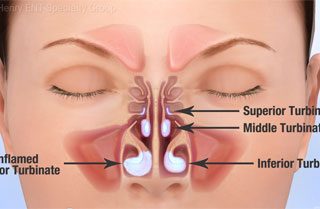
Inside your nose are structures called turbinates. They help warm, filter, and moisturize the air you breathe. Sometimes, these turbinates become enlarged due to allergies, inflammation, or chronic irritation.
When this happens, they can block airflow even though the nasal structure itself is normal. Turbinate reduction is a procedure that gently reduces their size, allowing air to pass through more easily while keeping their normal function.
This option is often considered when:
- Both sides of the nose feel blocked
- Nasal sprays help temporarily but symptoms return
- Congestion worsens with allergies or environmental triggers
What Is Septoplasty?
Septoplasty focuses on the nasal septum, the wall of cartilage and bone that divides the nose into two sides. If the septum is crooked or deviated, it can block one or both nasal passages.
Septoplasty straightens and repositions the septum to improve airflow. This procedure corrects a structural problem, rather than swollen tissue.
Septoplasty may be recommended if:
- One side of the nose is almost always blocked
- Breathing issues have been present since birth or after injury
- Medications do not improve airflow
How to Know Which Procedure You Might Need
The most important factor is what is causing the nasal blockage.
- If the blockage is due to swollen soft tissue, turbinate reduction may be helpful.
- If the blockage is caused by crooked bone or cartilage, septoplasty may be the better option.
- In some cases, both conditions are present, and treating both can provide the best breathing improvement.
A proper nasal examination is the only way to identify the exact cause. An experienced ENT specialist, such as Dr. Muhammad Jabbr, a DHA-licensed ENT Specialist and Consultant ENT Surgeon with over 20 years of experience, can accurately diagnose the issue and recommend the most suitable treatment.
Can Both Procedures Be Done Together?
Yes. Many patients benefit from having both procedures at the same time, especially when a deviated septum and enlarged turbinates are contributing to breathing problems. Combining them can lead to better airflow and long-term comfort.
Conclusion
Both turbinate reduction and septoplasty are designed to improve breathing, but they treat different underlying causes. Understanding your symptoms is an important first step; however, a proper evaluation by an expert is essential to choose the right treatment.
If nasal blockage is affecting your sleep, breathing, or daily activities, getting the correct diagnosis can make a real difference. If you are searching for these treatments in Dubai, Dr. Muhammad Jabbr, a trusted ENT doctor in Dubai, offers both turbinate reduction and septoplasty at his ENT Care Clinic located at Medicure Hospital. Do not delay—schedule a consultation to explore the right solution for better breathing and long-term relief.
📍 Location: Medicure Hospital – Dubai
🌐 Website: Entcare.ae
📞 Book an Appointment: Click here for Booking