Sinus Surgery in Dubai | Best ENT Surgeon for FESS & Balloon Sinuplasty
Advanced Treatment for Chronic Sinus Problems by a Trusted ENT Surgeon in Dubai
Chronic sinusitis, facial pressure, nasal blockage, post-nasal drip, and recurrent headaches can significantly reduce quality of life. When medical treatment fails to provide lasting relief, sinus surgery in Dubai becomes an effective and safe solution.
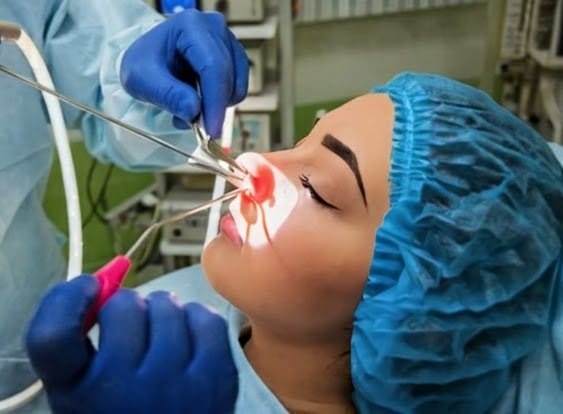
At ENT Care Dubai, Dr. Muhammad Jabbr, Consultant ENT & Head and Neck Surgeon, offers advanced Functional Endoscopic Sinus Surgery (FESS) and Balloon Sinuplasty using minimally invasive techniques designed to restore natural sinus drainage and improve breathing.
- Clinic Location: Dubai
- Hospital: Medcare Hospital – Dubai
- Experience: 20+ years
- Specialty: Sinus surgery, nasal polyps, septoplasty, turbinate reduction
What Is Sinus Surgery (FESS & Balloon Sinuplasty)?
Sinus surgery treats chronic sinus disease by opening blocked sinus pathways and restoring ventilation.
Functional Endoscopic Sinus Surgery (FESS)
- Minimally invasive endoscopic technique
- Removes inflamed tissue, polyps, and blockages
- No external cuts or scars
- Gold standard for chronic sinusitis
Balloon Sinuplasty
- Tissue-preserving procedure
- Small balloon gently widens sinus openings
- Faster recovery and minimal discomfort
- Ideal for selected sinus conditions
Both procedures are customized after CT scan evaluation and nasal endoscopy.
Symptoms That May Indicate the Need for Sinus Surgery
You may benefit from sinus surgery in Dubai if you experience:
- Chronic or recurrent sinus infections
- Persistent nasal congestion or blockage
- Facial pain, pressure, or heaviness
- Post-nasal drip
- Headaches related to sinus disease
- Reduced sense of smell
- Sinus symptoms not responding to medication
A full evaluation by an experienced ENT doctor in Dubai is required to determine the most suitable treatment option.
Who Is a Candidate for Sinus Surgery?
Sinus surgery may be recommended for:
- Patients with chronic sinusitis lasting > 12 weeks
- Individuals with nasal polyps
- Patients with recurrent acute sinus infections
- Patients with sinus blockage affecting breathing
- Failure of long-term medical therapy
Dr. Muhammad Jabbr evaluates sinus anatomy and disease severity to decide whether FESS, balloon sinuplasty, or a combined approach is appropriate.
Treatment Options for Sinus Conditions
Treatment is individualized based on diagnosis and symptom severity:
- Medical management (antibiotics, nasal sprays, medications)
- Functional Endoscopic Sinus Surgery (FESS)
- Balloon sinuplasty
- Sinus surgery combined with septoplasty or turbinate reduction
All procedures are performed using modern endoscopic ENT techniques with a focus on safety, precision, and long-term symptom control.
Benefits of Sinus Surgery
Patients undergoing FESS or balloon sinuplasty in Dubai often experience:
- Improved sinus drainage
- Reduced frequency of sinus infections
- Relief from facial pain and pressure
- Improved nasal breathing
- Better sleep quality
- Reduced dependence on medications
The goal is long-term sinus health and improved quality of life.
Sinus Surgery Recovery Time & Aftercare
Typical recovery following sinus surgery in Dubai includes:
- Mild nasal congestion or discharge for a few days
- Gradual symptom improvement over 2-4 weeks
- Return to work in 5-7 days
- Temporary avoidance of strenuous activity for a week
Patients receive detailed aftercare instructions and scheduled follow-ups to monitor healing and results.
Is Sinus Surgery Safe?
Yes. FESS and balloon sinuplasty are well-established and safe ENT procedures when performed by an experienced surgeon. Dr. Muhammad Jabbr follows evidence-based practices and UAE healthcare standards to ensure patient safety.
Potential risks and expected outcomes are discussed transparently during consultation.
Why Choose Dr. Muhammad Jabbr for Sinus Surgery in Dubai?
Consultant ENT & Head and Neck Surgeon
Extensive experience in sinus surgery in Dubai
Expertise in FESS and balloon sinuplasty
Advanced endoscopic and minimally invasive techniques
Practicing at Medcare Hospital – Dubai
Trusted by local and international patients
Dr. Jabbr focuses on restoring sinus function while preserving healthy tissue.
Frequently Asked Questions (FAQs)
The procedure is performed under anesthesia. Post-operative discomfort is usually mild and manageable.
Most patients resume normal activities within a few days, with gradual improvement over weeks.
Surgery improves sinus drainage and reduces infections but ongoing care may be needed in some patients.
Yes, it can be combined with septoplasty or turbinate reduction if clinically indicated.
Endoscopic sinus surgery usually lasts 1 to 3 hours. It is performed in an operating room under general anesthesia. Young children often stay overnight in the hospital, while older children might only need a few hours of observation.
During surgery, anesthesia ensures you feel no pain. General anesthesia makes you completely unconscious, while local anesthesia may allow you to feel some pressure. After surgery, mild to moderate discomfort can be expected for about a week.
You should avoid flying for at least 7 days unless your doctor clears you. You can resume driving the next day if you are not taking opioid medications. Most people take around one week off work, starting with a half-day on the first day back.
Most patients can return to work or school in about 1 week and fully resume normal activities within 3 weeks. Recovery time can vary depending on the type and extent of surgery.
Avoid sleeping on your side or stomach for at least 10 days. Elevate your head using extra pillows or a recliner, and keep your bedroom cool, dark, and comfortable.
Using a straw creates negative pressure, which can interfere with healing. This is why most surgeons recommend avoiding straws post-surgery.
Some sinus surgeries are outpatient procedures, meaning no overnight stay is required. You will be under general anesthesia, and someone should drive you home after the procedure.
Mild nasal discharge and congestion can last 2–4 weeks. Full benefits of the surgery may not be noticeable until 1–2 months post-operation.
Dissolvable stitches are used for most incisions. Avoid direct water on any incision, particularly under the eyebrow, for the first 5 days. Gently pat the area dry after showering.
Nasal packing helps control bleeding, support healing, and reduce infection risk. It is typically used to apply gentle pressure to the blood vessels.
Yes, some discomfort in the jaw, teeth, ears, and neck is common. Nasal congestion and tenderness usually last about two weeks, and follow-up debridements may be required for proper healing.
Yes, most sinus surgeries are done under general anesthesia, so a breathing tube is used. Your vital signs, including oxygen levels, heart rate, and blood pressure, are carefully monitored throughout.
Rest, avoid heavy activity, eat nutritious foods, and keep your nose clean and moist. Pain is common but manageable with your doctor’s advice.
You may notice blood clots and dissolving dressing exiting your nose for up to 2–3 weeks. This is normal and part of the healing process.
Expect 1–2 weeks off work, depending on the complexity of your surgery. Nasal discharge and congestion may persist for 2–3 weeks but gradually improve.
Stick to soft, bland foods like soups, yogurt, mashed potatoes, scrambled eggs, and pasta for a few days. Avoid hard, crunchy, or acidic foods that could irritate your nose.
A breathing tube is placed in your mouth to deliver anesthetic gases while you are fully asleep. Your specialist monitors your oxygen, heart rate, and blood pressure throughout the procedure.
Some dissolvable stitches may be placed at the nostrils. They usually disappear within 1–2 weeks. Nasal saline rinses are crucial to maintain airflow and support healing.
After sinus surgery, I usually recommend a few follow-up visits to monitor your healing and perform nasal cleaning if needed. Typically, patients come in within the first week after surgery, and then again over the next few weeks depending on how well they are recovering.
Most patients can start light activities within 1–2 weeks after surgery. I generally advise avoiding heavy exercise, contact sports, or strenuous activities for a few weeks to ensure proper healing and prevent any complications.
Book Your Sinus Surgery Consultation in Dubai
If chronic sinus symptoms are affecting your daily life, consult an experienced ENT surgeon in Dubai today.