Finding the right head and neck surgeon is important for people dealing with ENT disorders, thyroid diseases, salivary gland problems, sinus conditions, voice disorders, or head and neck tumors. Dubai has many experienced ENT specialists and surgeons who provide advanced diagnosis, modern surgical treatments, and personalized patient care.
This article lists some of the Top 10 Head & Neck Surgeons in Dubai based on their qualifications, specialties, hospital affiliations, and reputation in the medical field.
Table of Contents
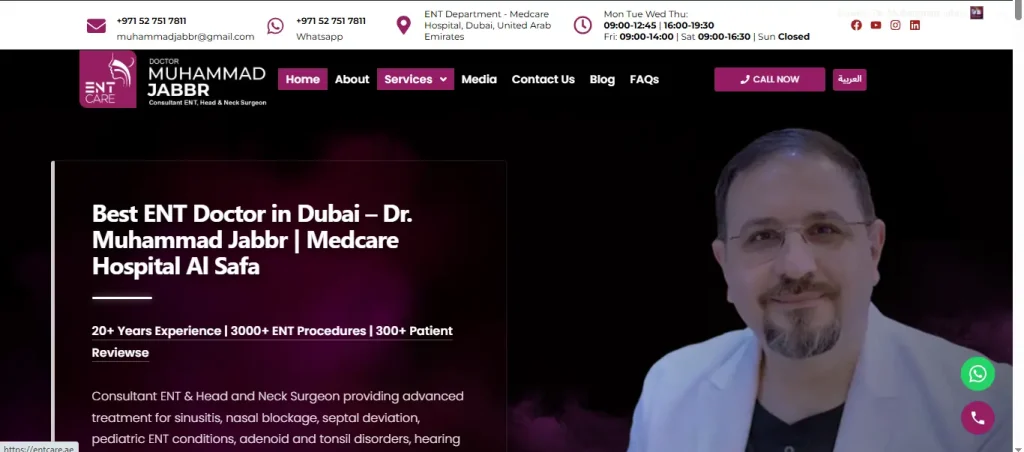
1. Dr. Muhammad Jabbr – ENT Doctor & Head & Neck Surgeon
Country: United Arab Emirates
Website: https://drmuhammadjabbr.com/
Primary Services: ENT consultation, sinus surgery, thyroid surgery, head & neck surgery, hearing disorders, voice disorders, nasal surgery, pediatric ENT, endoscopic ENT procedures.
Dr. Muhammad Jabbr is a well-known ENT specialist and Head & Neck Surgeon practicing in Dubai. He has extensive experience in diagnosing and treating a wide range of ear, nose, throat, and head & neck conditions. His patient-focused approach, modern treatment methods, and commitment to quality healthcare have earned him an excellent reputation.
He manages both simple and complex ENT disorders using the latest diagnostic equipment and minimally invasive surgical techniques whenever possible. Patients appreciate his clear communication and personalized treatment plans.
He provides comprehensive care for chronic sinusitis, thyroid nodules, salivary gland diseases, nasal obstruction, hearing disorders, dizziness, vocal cord diseases, and neck masses.
Patients looking for Audiology & Hearing Tests can also receive complete hearing evaluations before treatment planning. His clinic focuses on accurate diagnosis to achieve better long-term results.
Why patients choose Dr. Muhammad Jabbr:
- Years of ENT and surgical experience
- Modern diagnostic technology
- Personalized treatment plans
- Advanced minimally invasive procedures
- Excellent patient care
- Comprehensive follow-up after surgery
How to Choose the Right Head & Neck Surgeon
Selecting the right surgeon involves more than simply checking years of experience. Patients should also consider the surgeon’s qualifications, hospital affiliation, surgical expertise, communication style, and patient reviews.
It is helpful to choose a surgeon who offers complete diagnostic services, advanced surgical techniques, and proper post-operative follow-up care.
Common Conditions Treated by Head & Neck Surgeons
Head and neck surgeons diagnose and treat many medical conditions, including:
- Chronic sinus infections
- Thyroid nodules
- Thyroid cancer
- Salivary gland disorders
- Neck lumps
- Voice disorders
- Tonsil diseases
- Sleep apnea
- Hearing problems
- Ear infections
- Nasal polyps
- Deviated nasal septum
- Head and neck tumors
Early diagnosis often leads to better treatment outcomes and quicker recovery.
FAQs – Top 10 Head & Neck Surgeons in Dubai
What does a Head & Neck Surgeon treat?
A Head & Neck Surgeon treats diseases affecting the ears, nose, throat, thyroid gland, salivary glands, vocal cords, neck masses, and head & neck tumors.
When should I see a Head & Neck Surgeon?
You should consult a specialist if you experience persistent neck swelling, chronic sinus infections, difficulty swallowing, hoarseness lasting more than two weeks, hearing loss, or thyroid problems.
Is head and neck surgery safe?
Yes. Most procedures are safe when performed by experienced surgeons using modern medical techniques. Your doctor will explain the risks and expected recovery before surgery.
How long does recovery take after surgery?
Recovery depends on the type of surgery. Minor procedures may require only a few days, while more complex surgeries may take several weeks.
Can head and neck surgeons treat thyroid disorders?
Yes. Many Head & Neck Surgeons specialize in diagnosing and surgically treating thyroid nodules, thyroid enlargement, and thyroid cancer.
What should I bring to my first appointment?
Bring your previous medical records, imaging reports, blood test results, current medications, and a list of your symptoms. This helps the surgeon make an accurate diagnosis and recommend the most appropriate treatment.