 By
Quick answer
Who performs ENT surgery in Dubai, and when is an operation needed?
Dr. Muhammad Jabbr is a Consultant ENT (ear, nose and throat) and Head and Neck Surgeon. He operates on the ear, the nose and sinuses, the throat and airway, and the neck. He treats adults and children at Medcare Hospital Al Safa, Dubai. Surgery is rarely the first step. It is usually offered when medicines or simple care have not helped enough. It may also be offered when tests show it is the safest option.
Ear, nose, throat and neck surgery covers many different operations. Some take a few minutes. Others need a night or two in hospital. This guide gives you a simple map of ENT surgery, so you can walk into your appointment calmer and with better questions.
If you need an ENT surgical specialist in Dubai, you can see Dr. Muhammad Jabbr, Consultant ENT and Head & Neck Surgeon at Medcare Hospital, Al Safa. With over 20 years in ENT and more than 3,000 ENT procedures behind him, he is one of the best-placed surgeons in the city to guide you. He treats both adults and children.
What does an ENT surgical specialist in Dubai operate on?
An ENT surgeon works on more than the ear, nose and throat. The voice box, salivary glands and thyroid are part of the job too. It helps to sort ENT surgery into four groups:
- Ear: the ear canal, the eardrum, the tiny hearing bones and the bone behind the ear.
- Nose and sinuses: the wall inside the nose (septum), the turbinates, the sinuses and the outer nose.
- Throat and airway: the tonsils, the palate, the voice box and the upper airway.
- Neck: the thyroid, the salivary glands and lumps in the neck.
Surgery is rarely the first step. An operation is usually offered when medicines or simple care have not helped enough, or when tests show it is the safest option.
Which ear operations are common?
Ear surgery is often done with an operating microscope or a thin camera called an endoscope. Common ear operations include:
- Placing a small ventilation tube in the eardrum to drain fluid from the middle ear.
- Repairing a hole in the eardrum (tympanoplasty).
- Clearing long-standing infection or a skin growth called cholesteatoma from the bone behind the ear (mastoid surgery).
- Rebuilding or replacing the tiny hearing bones to help sound pass through the ear.
You can read more about ear conditions and tests on our ear specialist (otology) page.
What nose and sinus operations are there?
Nose and sinus surgery is very common in adults. Most of it is done through the nostrils, so there is usually no cut on the face. Typical operations include:
- Straightening a bent septum to improve airflow.
- Reducing swollen turbinates, the soft ridges inside the nose.
- Opening blocked sinuses and removing nasal polyps with an endoscope.
- Setting a broken nose or improving the shape of the nose for breathing.
Our nose and sinus (rhinology) page explains the conditions behind them.
What throat, voice and airway surgery is done?
Throat surgery covers problems with swallowing, the voice and breathing during sleep. Examples include:
- Removing the tonsils in adults who have repeated tonsillitis or a past throat abscess.
- Removing small growths from the vocal cords, such as polyps or cysts, under a microscope.
- Taking a small tissue sample (biopsy) from the throat or voice box.
- Surgery on the palate, tonsils or tongue base for selected people with snoring or sleep apnea.
Learn more on our laryngology (throat and voice) page. If you snore, our page on snoring and sleep apnea surgery explains who may benefit.
What neck operations does an ENT surgeon perform?
Head and neck surgery deals with lumps and glands in the neck. Common examples are:
- Removing part or all of the thyroid gland.
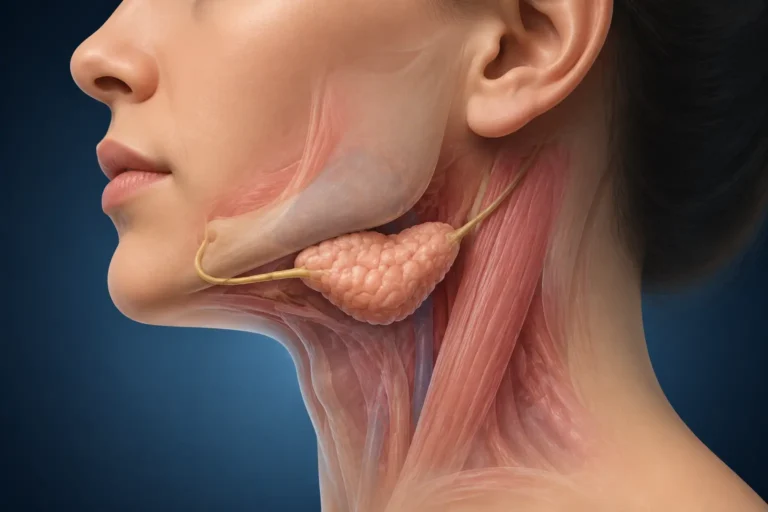
- Removing a salivary gland, such as the parotid gland in front of the ear or the submandibular gland under the jaw.
- Removing or sampling a neck lump to find out what it is, often after a needle test.
These operations usually need a cut in the skin. Where possible, it is placed along a natural skin line to help it blend in. See our head and neck surgery page for more detail.
Will I go home the same day or stay overnight?
Many ENT operations are day cases. You go home the same day. Others need one night or more. The plan depends on the operation and your general health.
Often day-case
- Ear tubes and many smaller ear procedures.
- Many nose and sinus operations.
- Vocal cord surgery and throat biopsies.
Often an overnight stay or longer
- Tonsil removal in some adults, so the team can watch for bleeding and help with pain and drinking.
- Thyroid and salivary gland surgery, especially if a drain is placed.
- Some larger ear operations and major neck surgery.
- People with severe sleep apnea, heart problems or poorly controlled diabetes.
Your surgeon will tell you the likely plan before the day.
Will I be asleep? Anaesthesia for ENT surgery
Most ENT operations are done under general anaesthesia. You are fully asleep and feel nothing. A breathing tube or airway device keeps your breathing safe.
Some smaller procedures can be done with local anaesthetic. The area is numbed and you stay awake. Examples are some biopsies and cautery for nosebleeds. A few are done with local anaesthetic plus sedation, which makes you drowsy and relaxed.
Before surgery you will usually meet the anaesthetist. Tell them about:
- Any past problems with anaesthesia, in you or your family.
- Sleep apnea and whether you use a CPAP machine. Bring it with you if you have one.
- Loose teeth, crowns or caps, as a breathing tube passes close to them.
- Allergies and every medicine you take.
How do minimally invasive approaches help?
A lot of ENT surgery is now done through the body's own openings: the nostrils, the mouth and the ear canal. Endoscopes and microscopes give the surgeon a clear, magnified view in tight spaces. For the right problem, this can mean no outside scar, less bleeding and a shorter stay.
These methods do not suit every problem, and they still carry risks. A large neck lump, for example, usually needs an open operation.
How should you prepare for any ENT operation?
Most ENT operations share the same basic preparation:
- Attend your pre-operative check. It may include blood tests and a heart tracing (ECG).
- Bring a full list of your medicines. Blood thinners, aspirin, anti-inflammatory painkillers and some herbal supplements can increase bleeding. Diabetes medicines may need a change on the day you fast. Never stop a prescribed medicine on your own.
- Stop smoking as early as you can. It helps healing.
- Follow the fasting instructions from the hospital exactly as written.
- Let the team know if you feel unwell in the days before, for example with a cough or fever.
- Plan your trip home. Do not drive for at least 24 hours after a general anaesthetic. An adult should take you home and stay with you that first night.
- Bring your results, including scans, hearing tests and reports from other doctors.
What should you ask your surgeon before ENT surgery?
Write your questions down before your visit:
- What exactly will be done, and what is the main aim?
- Is this a day case, or should I expect to stay overnight?
- Will I have packing, splints, stitches or a drain, and when do they come out?
- How much pain is normal, and which painkillers should I use?
- Who do I call if I have a problem at night or at the weekend?
Seek urgent help after any ENT operation if you have bleeding that does not stop, difficulty breathing, fast-growing neck swelling, new weakness of the face, high fever or severe pain that your medicines do not control.
Who will plan and carry out your ENT surgery?
As an ENT and head and neck surgeon, Dr. Muhammad Jabbr works across all four areas in this guide. He holds an MD and MS, the DOHNS (England), and both the European and Arab Board qualifications in ORL-HNS.
At your visit, you can ask him about non-surgical options and whether you need an operation at all. If you are comparing surgeons, our page on the best ENT surgeon in Dubai sets out his background in more detail.
Book an appointment
To talk through a possible operation, see Dr. Muhammad Jabbr in the ENT Department at Medcare Hospital Al Safa (Hadiqa Street, Al Safa 1, Dubai). You can book a consultation online or phone +971 52 751 7811.
Frequently Asked Questions
Do I need a scan before ENT surgery?
It depends on the operation. Sinus surgery usually needs a CT scan. Ear surgery often needs a hearing test and sometimes a scan. Neck surgery may need an ultrasound and a needle sample. Your surgeon will tell you which tests you need.
Can I have ENT surgery if I have diabetes or high blood pressure?
Usually yes, as long as these conditions are well controlled. You may need blood tests or a check by your own doctor first.
Can more than one ENT problem be fixed in one operation?
Sometimes. For example, a bent septum, swollen turbinates and blocked sinuses are often treated together. This can mean one anaesthetic and one recovery. Your surgeon will advise whether combining them is safe for you.
When can I fly after ENT surgery?
This varies. After ear or sinus surgery, changes in cabin pressure can cause pain or bleeding, or affect healing. You are usually asked to wait. Check with your surgeon before you book any flight.
How long does an ENT operation take?
It varies a lot. A small ear tube may take only minutes. Sinus, ear bone or neck surgery can take one to several hours.
From ear tubes to neck surgery: the main points
Knowing your operation's group, your likely stay and how to prepare can ease much of the worry. An honest talk with an experienced ENT surgeon is a good first step.