 By
Quick answer
Who offers ear infection treatment in Dubai, and when should you see a doctor?
Dr. Muhammad Jabbr is a Consultant ENT (ear, nose and throat) specialist who treats ear infections. He sees patients at Medcare Hospital Al Safa, Dubai. Common adult types are swimmer's ear (an ear canal infection), fungal infection and middle-ear infection. Each needs a different treatment, so an ear check matters. See him if your ear is painful, itchy, blocked or leaking. Get medical help quickly for swelling behind the ear, weakness of the face, sudden hearing loss or strong dizziness.
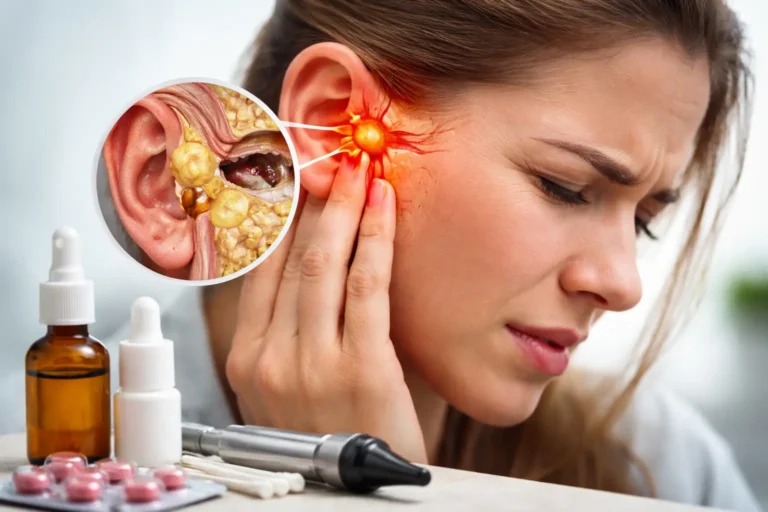
Your ear may throb, itch, feel blocked or leak a little fluid. When you search for an ear infection doctor in Dubai, what you really want to know is simple: which part of the ear is infected, and what will help it settle?
Dr. Muhammad Jabbr is a Consultant ENT and Head & Neck Surgeon at Medcare Hospital Al Safa. He has more than 20 years of experience, and many patients rate him one of the best for ear infections in Dubai. This guide explains the common adult ear infections and how each one is treated.
Which Part of My Ear Is Infected?
Your ear has three parts: outer, middle and inner. The outer ear includes the ear canal, which runs from the opening down to the eardrum. Behind the eardrum sits the middle ear, a pocket of air. Most short-term infections in adults affect one of these two parts, and each needs a different treatment.
Outer-ear infection (swimmer's ear)
Doctors call this otitis externa. The skin of the ear canal becomes red, swollen and sore. It often starts after swimming, long showers or using cotton buds. Water softens the skin, and germs get in through tiny scratches. Eczema or other skin problems in the canal can also make it more likely.
Fungal ear infection
Fungal infection of the ear canal is called otomycosis. Fungus grows well in warm, damp places, so humid summer weather is a common trigger. It can also follow a long course of antibiotic ear drops. The main sign is deep itching, with a blocked feeling and sometimes white, grey or black debris in the canal.
Acute middle-ear infection
This is called acute otitis media. It usually follows a cold, flu or sinus infection. The tube that links the back of your nose to the middle ear (the Eustachian tube) swells and blocks. Fluid gets trapped behind the eardrum and can become infected. The pain is often deep and throbbing, and hearing may drop for a while.
How Can You Tell Swimmer's Ear From a Middle-Ear Infection?
The symptoms overlap, but some clues help. Only an ear examination can tell for sure.
- Pain when you touch the ear: if pulling the outer ear or pressing the small flap in front of the canal hurts a lot, an outer-ear infection is more likely.
- Itching: strong, constant itching points towards a fungal infection.
- A recent cold: ear pain that starts during or after a cold points towards the middle ear.
- Pressure and muffled hearing: a full, popping feeling is common with middle-ear fluid.
- Fever: a raised temperature is more common with middle-ear infection.
- Sudden discharge with less pain: if the pain eases as fluid comes out, the eardrum may have burst. Have it checked.
Getting the type right matters. Drops that help swimmer's ear will not clear a middle-ear infection, and some drops are not safe if the eardrum has a hole.
What Will Dr. Jabbr Check at Your Visit?
Dr. Jabbr starts by asking how the problem began. He will want to know about recent swimming or colds, cotton bud use, and health problems such as diabetes.
He then looks into the ear with an otoscope or an ear microscope. He checks for swelling, debris, fungus and fluid behind the eardrum. If the canal is full of debris, he will often clean it first so he can see the eardrum properly.
Most ear infections do not need scans or blood tests, unless a deeper infection is suspected. If your hearing still feels dull after the infection settles, he may suggest a hearing test in Dubai. A swab may be sent to the lab if an infection does not respond to treatment.
Why Is Ear Cleaning Part of the Treatment?
An infected ear canal is often filled with swollen skin, pus, dead skin or fungus. Drops cannot reach the infected skin through all of this. Careful cleaning under the microscope removes the debris so that the medicine can work.
This is usually done by gentle suction or with fine instruments. A sore canal can feel tender, but the cleaning is quick and usually well tolerated. For fungal infections, cleaning matters as much as the drops, and it may need to be repeated once or twice.
If the canal is very swollen, the doctor may place a small soft wick inside it. The wick soaks up the drops and carries them deep into the canal. It is removed after a few days. Do not try to clean an infected ear yourself.
Will I Need Ear Drops or Antibiotic Tablets?
This depends on where the infection is.
- Swimmer's ear: antibiotic ear drops, often combined with a steroid to calm the swelling, are usually the main treatment. Tablets are usually only needed if the redness spreads to the outer ear or face, or if you have diabetes or a weak immune system.
- Fungal infection: antifungal drops or cream, together with cleaning, are the usual treatment. Antibiotic drops do not help fungus and can make it worse.
- Middle-ear infection: drops placed in the canal cannot pass an intact eardrum. Treatment focuses on pain relief, and many cases settle on their own within a few days. Antibiotic tablets may be advised if symptoms are severe, if there is high fever, or if things are not improving. If the eardrum has burst, the doctor may add drops that are safe to use.
Paracetamol or ibuprofen may ease the pain, if they suit you. Use any drops or tablets exactly as prescribed, for as long as you are told.
How Do I Keep My Ears Dry While They Heal?
Water slows the healing of an infected ear canal. Keeping the ear dry helps the drops work and makes a repeat infection less likely.
- Avoid swimming until your doctor says the ear has healed. This is often one to two weeks.
- In the shower, put a cotton ball coated in a little petroleum jelly in the opening of the ear.
- After washing, tilt your head to let water run out.
- Do not use cotton buds, hairpins or fingers inside the canal.
- Take a break from in-ear earphones while the skin is sore.
- If you swim often, ask about well-fitted swimming earplugs once the ear has healed.
When Does an Ear Infection Need Urgent Care?
Get medical help quickly if you notice any of these:
- Swelling, redness or pain behind the ear, or the ear being pushed forward
- High fever with severe headache or a stiff neck
- Redness and swelling spreading from the ear to the face or neck
- Weakness of the face, or one side of the face starting to droop
- Sudden hearing loss, or strong dizziness or spinning
- Severe pain with diabetes, especially if it does not ease with treatment
Why Choose Dr. Muhammad Jabbr as Your Ear Infection Doctor in Dubai?
With ear infections, a careful examination and proper cleaning often make the biggest difference. Dr. Jabbr's background includes:
- MD, MS, DOHNS (England), European Board ORL-HNS and Arab Board ORL-HNS qualifications
- More than 20 years of ENT experience and more than 3,000 ENT procedures
- Treatment of adults and children at Medcare Hospital, Al Safa
- A 4.9 Google rating from 406 reviews
See his otology and ear care services in Dubai for other ear problems. If it is your child who has ear pain or repeated infections, see our guide to ear infections and glue ear in children. To learn how infections and other causes can affect hearing, read this guide to common hearing loss causes and prevention tips.
Book an Appointment
A painful, itchy, blocked or leaking ear is worth checking before it gets worse. Dr. Muhammad Jabbr sees patients at the ENT Department, Medcare Hospital, Hadiqa Street, Al Safa 1, Dubai.
Book online with Dr. Muhammad Jabbr or call +971 52 751 7811.
Frequently Asked Questions
How long does swimmer's ear take to heal?
With cleaning and the right drops, many people feel better within two to three days. Full healing of the canal skin often takes seven to ten days. Keep the ear dry for the whole time.
Why does my ear itch so much after swimming in summer?
Constant itching after swimming or in humid weather can point to a fungal ear infection. Scratching makes it worse. A doctor can clean out the fungus and give antifungal drops.
I have diabetes. Is an ear infection more serious for me?
It can be. In rare cases, an outer-ear infection in a person with diabetes can spread deeper into the bone around the ear. Severe pain that keeps getting worse, especially at night, should be checked quickly. Let your doctor know about your diabetes at the visit.
Can I use leftover ear drops from a previous infection?
It is better not to. The infection may be a different type this time, and old drops may have expired or may not suit your eardrum.
Will my hearing come back after an ear infection?
In most adults, hearing returns to normal as the infection and fluid clear. This can take a few weeks after a middle-ear infection. If sounds still seem muffled after that, ask for your hearing to be tested.
Getting Your Ear Back to Normal
Most adult ear infections settle well when they are treated the right way. The key is knowing which part of the ear is infected, cleaning the canal when needed, choosing drops or tablets to match, and keeping the ear dry. If your ear is not improving, an ENT doctor can take a closer look and adjust your treatment.