

 By
Quick answer
What is revision rhinoplasty, and why do patients seek it?
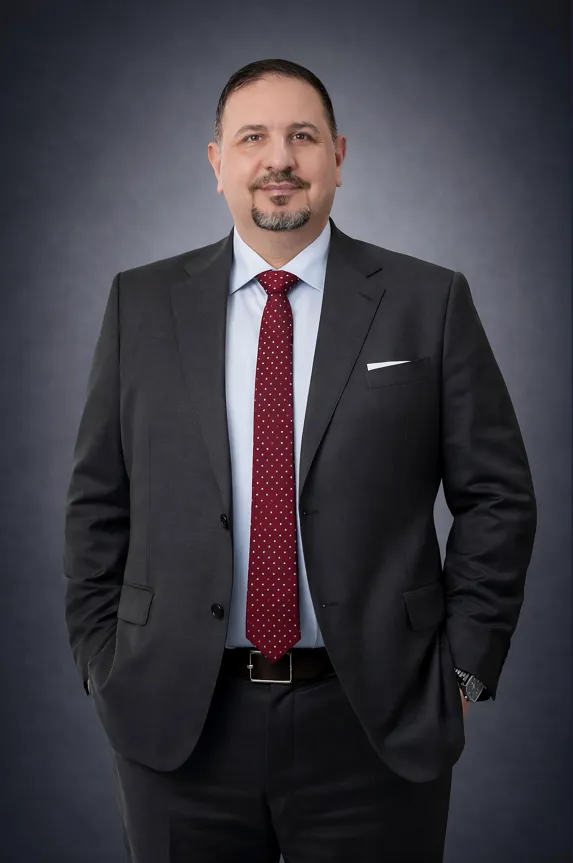
Revision rhinoplasty is repeat nose surgery after an earlier operation. It aims to improve how the nose looks or works. Many patients seek it because they are unhappy with the first result. Others have breathing problems, such as a deviated (bent) septum. Doctors usually advise waiting at least one year after the first surgery. Dr. Muhammad Jabbr is an expert ENT (ear, nose and throat) rhinoplasty surgeon. He sees patients considering a revision at Medcare Hospital Al Safa, Dubai.
Reasons Patients Choose Revision Rhinoplasty
Patients who seek revision or secondary rhinoplasty often present a unique challenge for surgeons, as these cases are among the most complex in aesthetic surgery. Revision rhinoplasty involves individuals who have previously undergone one or more procedures and wish to enhance the appearance or function of their nose. Patients are typically advised to wait at least one year after their initial surgery, as swelling and tissue healing can mask the final results, giving them time to adapt and determine whether another procedure is truly needed. Many seek revision due to dissatisfaction with prior outcomes, though additional surgery may not always fully correct cosmetic concerns or previous surgical limitations. Scar tissue from earlier procedures can further complicate results, often requiring the use of cartilage grafts to rebuild or replace damaged areas. In addition to cosmetic reasons, functional issues such as a deviated septum, nasal obstruction, or collapse of tip and upper lateral cartilages may necessitate correction to improve both breathing and aesthetics, often using grafts like spreader grafts to widen nasal passages. Recovery from revision rhinoplasty varies by patient and procedure complexity, with some experiencing minimal discomfort while others may need pain medication for a few days; typical healing spans one to two weeks, and patients are generally advised to take about seven to ten days off work while planning any travel around this period.
What is done in a revision rhinoplasty?
Revision rhinoplasty often involves advanced techniques aimed at improving both the appearance and function of the nose. Surgeons may perform cartilage grafting from the ear or rib to provide structural support for the nasal tip or bridge, especially when septal cartilage is insufficient. Addressing soft tissue irregularities may require tissue for coverage or camouflage, acting as a natural “permanent filler,” with temporalis fascia from the hairline being a commonly used option due to its minimal visible impact. In cases where internal scarring has narrowed or distorted the nasal airway, skin grafts may be necessary to restore proper function. Specialized refining techniques, such as shaving or piezoelectric bone reshaping, are also employed to achieve optimal aesthetic results.
Managing expectations is essential, as revision rhinoplasty carries a higher likelihood of needing additional corrections compared to primary rhinoplasty. No surgeon can ethically guarantee a perfect outcome, so understanding the limitations and potential challenges of the procedure is important before making a decision. Choosing the right surgeon is crucial; patients should seek a board-certified plastic or ENT surgeon with extensive experience in both primary and revision rhinoplasty. Reviewing before-and-after photos, assessing the number of cases performed, using computer imaging to visualize potential results, and speaking with previous patients can provide valuable insights.
Ultimately, the decision to undergo revision rhinoplasty is a personal one. Selecting an experienced ENT surgeon who has earned your trust gives the best chance of achieving a successful and satisfying outcome. Most patients who were unhappy with their initial rhinoplasty report satisfaction with their results when these guidelines are followed.
Conclusion
Revision rhinoplasty is a highly specialized procedure aimed at improving both the appearance and function of the nose after a previous surgery. While it presents unique challenges due to scar tissue, structural limitations, and previous surgical outcomes, careful planning and advanced surgical techniques can help achieve satisfying results. Patients considering revision rhinoplasty should have realistic expectations, allow sufficient time for healing from their initial surgery, and choose an experienced ENT surgeon with a strong track record in revision cases. With the right expertise and personalized approach, most patients can experience meaningful improvements in both functional and aesthetic rhinoplasty outcomes, restoring confidence and comfort in their appearance.
Revision Rhinoplasty in Dubai: When and Why
Revision rhinoplasty is considered when an earlier nose operation has left a shape you are unhappy with, or a breathing problem such as a deviated septum, nasal obstruction or collapse of the tip and upper lateral cartilages. Because these cases affect both appearance and airflow, an ENT surgeon checks the inside of the nose as carefully as the outside.
Most patients are advised to wait at least one year after the first surgery, so that swelling settles and the final result can be judged. Scar tissue from the first operation often means cartilage grafts are needed to rebuild support, sometimes taken from the ear or rib, and spreader grafts can widen narrow nasal passages. Most people take about seven to ten days off work.
Dr. Muhammad Jabbr, a Consultant ENT, Head and Neck Surgeon with more than 20 years of experience, sees patients considering a revision at Medcare Hospital Al Safa, Dubai.

