
 By
Quick answer
Who performs septoplasty (deviated septum surgery) in Dubai, and who needs it?
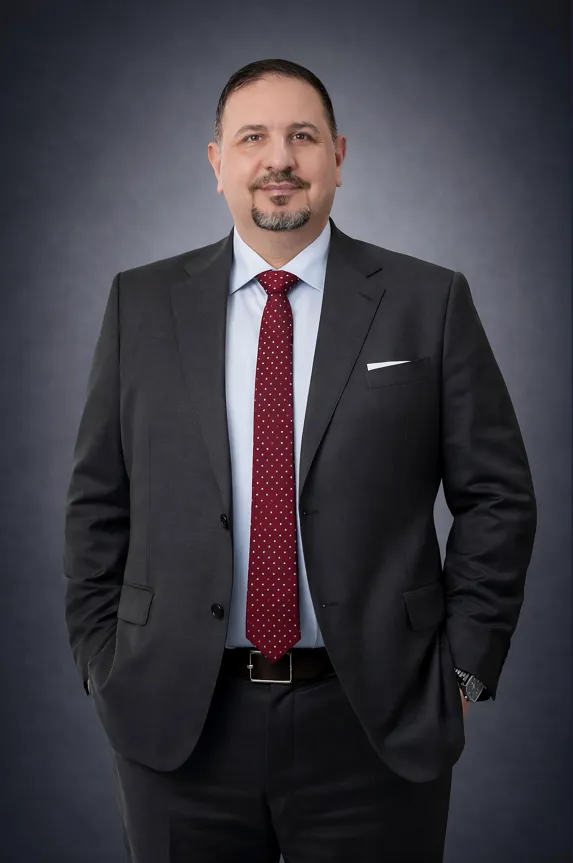
Dr. Muhammad Jabbr is a Consultant ENT (ear, nose and throat) surgeon who performs septoplasty at Medcare Hospital Al Safa, Dubai. Septoplasty straightens a deviated (bent) septum, the middle wall of the nose. It is usually considered when your nose stays blocked most of the time and sprays or other medicines have not helped enough. In most cases, the surgeon works through the nostrils, so there is usually no visible scar.
Being told you may need nose surgery can feel like a big step. If you are looking for a septoplasty surgeon in Dubai, this guide walks you through the operation itself, from the first check-up to full recovery.
Dr. Muhammad Jabbr is a Consultant ENT (Ear, Nose & Throat) and Head & Neck Surgeon who works in the ENT Department at Medcare Hospital, Al Safa. Over more than 20 years he has carried out more than 3,000 ENT procedures. Patients who want one of the best septoplasty surgeons in Dubai can expect a careful check first, and an honest answer on whether surgery is likely to help.
Who actually needs a septoplasty?
Septoplasty is an operation to straighten the middle wall of your nose, the septum. A slight bend is found in a large share of adults and usually causes no trouble. The operation is aimed at people whose bend narrows the airway enough to disturb sleep, exercise or daily comfort.
Septoplasty is usually considered when:
- One or both sides of your nose stay blocked most of the time, not just during a cold.
- Sprays and other medicines, used correctly for several weeks, have not helped enough.
- The bent septum gets in the way of other treatment, such as sinus surgery.
- Nosebleeds keep coming back from a sharp spur on the septum.
- A CPAP mask for sleep apnoea is hard to use because the nose is too narrow.
Septoplasty is a planned operation, never a rush decision. If your symptoms are mild, it is perfectly reasonable to wait and review them later.
What happens at your septoplasty consultation?
The aim of this visit is to confirm that surgery will fix the actual cause. If the main cause is swollen lining or polyps, straightening the septum alone may not give you the relief you hope for.
At your first visit, Dr. Jabbr will:
- Ask about your history. Which side is blocked, past injuries and sprays you have tried.
- Look inside your nose. A simple look with a light, then often a nasal endoscopy. A thin camera shows the whole septum in a few minutes.
- Check the other usual suspects. These include enlarged turbinates, allergic rhinitis, nasal polyps, weak nostril walls that collapse when you breathe in, and, in some cases, sinus disease.
- Order a CT scan if needed. Mainly when sinus symptoms are present.
Sometimes the septum turns out to be only a small part of the problem, and medical treatment comes first. Our page on septoplasty and the deviated septum covers the condition itself in more detail.
Should septoplasty be combined with turbinate reduction?
Inside each side wall of your nose sits a fleshy, curled shelf called the inferior turbinate. Its job is to warm and moisten the air you breathe in.
When the septum leans to one side, the opposite side has more room. Over time, the turbinate on that wider side can enlarge and fill the gap. If the septum is straightened and that turbinate is left as it is, the "good" side may now feel blocked.
So the surgeon checks both sides carefully. If an enlarged turbinate is found, a turbinate reduction may be planned in the same session. The aim is to reduce its bulk while protecting the surface lining. You then have one anaesthetic and one recovery instead of two. It is added only when the examination shows a clear need.
How should you prepare before surgery?
Before septoplasty, you can expect:
- A pre-operative check, which may include blood tests.
- Advice on medicines. Blood thinners, aspirin and some herbal supplements may need to be stopped for a time. Never stop a prescribed medicine without asking your doctor first.
- Fasting for several hours before a general anaesthetic. You will be given exact times.
- A plan for someone to take you home and stay with you on the first night.
- Time off work. Most people take about one week, more if the job is physical.
If you smoke, stopping helps healing. Tell the team about any cold before the day.
What happens during the operation?
Septoplasty is usually done under general anaesthetic, so you are asleep and feel nothing. It normally takes about 30 to 90 minutes, longer if turbinate work is added.
In most cases, all the work is done through the nostrils. The surgeon makes a small cut inside the nose and lifts the lining off the septum. The bent parts of cartilage and bone are then trimmed, reshaped or repositioned. Enough straight cartilage is kept to support the nose. The lining is then laid back and closed with dissolving stitches.
There is usually no visible scar, and the outer shape of your nose stays the same. If you also want to change how your nose looks, this is a different operation called rhinoplasty.
At the end, the surgeon may place soft splints or light packing to support the septum while it heals. Many patients go home the same day. Some stay one night.
What is the recovery like, week by week?
Days 1 to 3
Your nose will feel stuffy, a bit like a heavy cold. Some blood-stained discharge is normal. Pain is usually mild to moderate and is controlled with simple painkillers. Sleep with your head raised on two pillows.
Week 1
If splints or packing were used, they are usually removed at a follow-up visit in the first week. Breathing often feels easier once they are out. Do not blow your nose hard. Sneeze with your mouth open. Use saline rinses as advised to keep the inside clean.
Weeks 2 to 4
Crusts form and slowly clear with rinsing. Breathing improves step by step. Most people are back at desk work by the second week. Avoid heavy lifting, swimming and hard exercise until your surgeon agrees.
Months 1 to 3
The lining settles and the swelling fades. By this stage you can judge the result more fairly. Final healing of the cartilage can take a few months longer.
What are the risks, explained calmly?
Septoplasty is a common and generally safe operation, but every surgery carries some risk.
- Bleeding. A small amount is expected. Heavy bleeding is uncommon but needs prompt care.
- Infection. This is rare. Signs include fever, rising pain or a bad-smelling discharge.
- Numbness. The upper front teeth or tip of the nose may feel numb for a while. This usually settles.
- Blood collecting under the lining (septal haematoma). This is uncommon. Pain, swelling or blockage that gets worse in the first days should be checked the same day.
- Septal perforation. A small hole in the septum can form. It is uncommon. Some cause no symptoms, while others lead to crusting, whistling or bleeding.
- Change in smell. Your sense of smell may be dulled for a few weeks while the swelling settles.
- Ongoing blockage. Some people still feel blocked, often because of other causes. A small number may need further treatment.
Go to the emergency department or call the clinic straight away if you have bleeding that does not stop after 15 to 20 minutes of gentle pressure, difficulty breathing, a high fever, severe headache with a stiff neck, or clear watery fluid dripping from the nose.
Why choose Dr. Jabbr as your septoplasty surgeon in Dubai?
A good septoplasty depends on planning as much as on the operation itself. You can also visit his septoplasty surgeon page for an overview of the service.
- Specialist training. MD, MS, DOHNS (England), European Board ORL-HNS and Arab Board ORL-HNS.
- Experience. More than 20 years in ENT and more than 3,000 ENT procedures.
- A careful diagnosis. Endoscopic examination to separate a true septal problem from other causes of nasal blockage.
- One plan for the whole airway. Turbinates, sinuses and allergy are addressed in the same plan when they play a part.
- Adults and children. In children, the septum is still growing, so surgery is usually delayed unless symptoms are severe.
- Patient feedback. A 4.9 Google rating from 406 reviews.
Book an appointment
If a blocked nose is affecting your sleep or daily life, a consultation is the first step. You can book online with Dr. Muhammad Jabbr or call +971 52 751 7811. The clinic is at the ENT Department, Medcare Hospital, Hadiqa Street, Al Safa 1, Dubai.
Frequently Asked Questions
Is septoplasty painful?
Most people describe it as pressure and stuffiness rather than sharp pain. Simple painkillers are usually enough. The first two to three days are the most uncomfortable.
Can the septum bend again after septoplasty?
Cartilage has some memory, so part of the bend can return in some people. A new injury to the nose can also shift it. Most people keep a lasting improvement, and follow-up visits help spot any problem early.
How soon can I fly after septoplasty?
Many surgeons advise waiting around one to two weeks, after splints are removed and your check-up is done. Ask your surgeon before booking travel.
When can I go back to the gym?
Light walking is fine within days. Hard exercise and heavy lifting are usually avoided for about three to four weeks, as they can raise the risk of bleeding.
Will septoplasty stop my snoring?
It may help if a blocked nose is part of the cause. Snoring often has several causes, such as the throat or palate, so septoplasty alone may not stop it.
Breathing easier starts with the right plan
Septoplasty can make a real difference when a bent septum is the true cause of your blocked nose. If you are thinking about surgery, Dr. Muhammad Jabbr can examine your nose, explain every option and help you decide what is right for you.